
TL;DR:
- Furniture aesthetics go beyond simple appearance by integrating form, function, and harmonious proportions. Functionality guides design, avoiding furniture that is aesthetically pleasing but uncomfortable or unsuitable. Choosing balanced, proportionate, and durable furniture ensures practicality, style, and longevity in the living space.
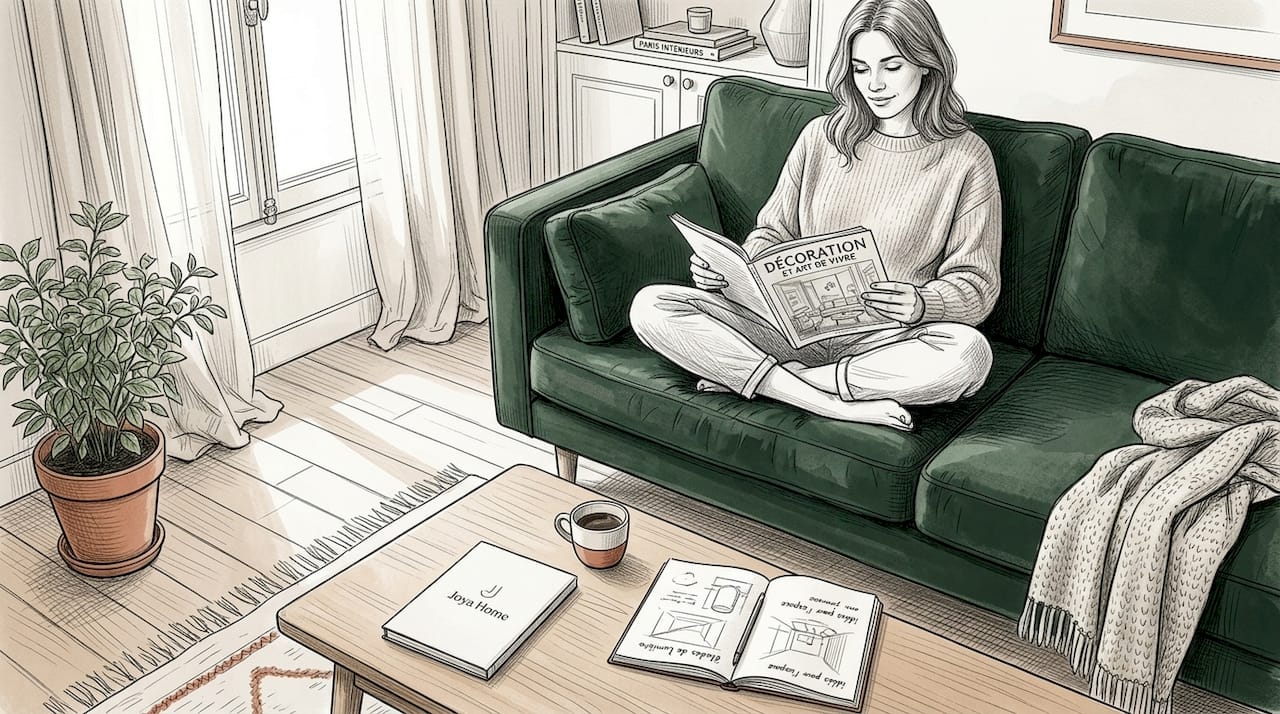
Many believe that the definition of aesthetics in furniture is merely a matter of visual taste. This is a common mistake. In reality, the aesthetics of a piece of furniture are built at the intersection of form, daily use, and proportions in space. A sofa can be visually splendid and still make your back ache in twenty minutes: that's not good design, it's expensive decoration. This guide will help you recognize the true criteria of furniture aesthetics to choose a sofa that suits you, lasts a long time, and simplifies your life.
Table of Contents
- Aesthetics and Functionality: The Foundation of Furniture Design
- Essential Aesthetic Codes for Practical and Retro Furniture
- Understanding the Importance of Proportions and Scale for Successful Aesthetics
- Color Harmony and the Influence of Furniture on High-End Perception
- Why Aesthetics Should Never Sacrifice Practicality in Furniture Choice
- Discover Aesthetic and Practical Sofas at JOYA Home
- Frequently Asked Questions
Key Points
| Point | Details |
|---|---|
| Functional Aesthetics | Successful aesthetics combine beauty and practical use for pleasant and useful furniture. |
| Balanced Proportions | Respecting dimensions relative to the space prevents imbalance and improves comfort. |
| Color Harmony | Applying the 60-30-10 rule creates a visually coherent and welcoming environment. |
| Quality Materials | Natural materials and refined finishes enhance the impression of luxury and durability. |
| Balance between use/style | Aesthetics must always be compatible with comfortable daily use. |
Aesthetics and Functionality: The Foundation of Furniture Design
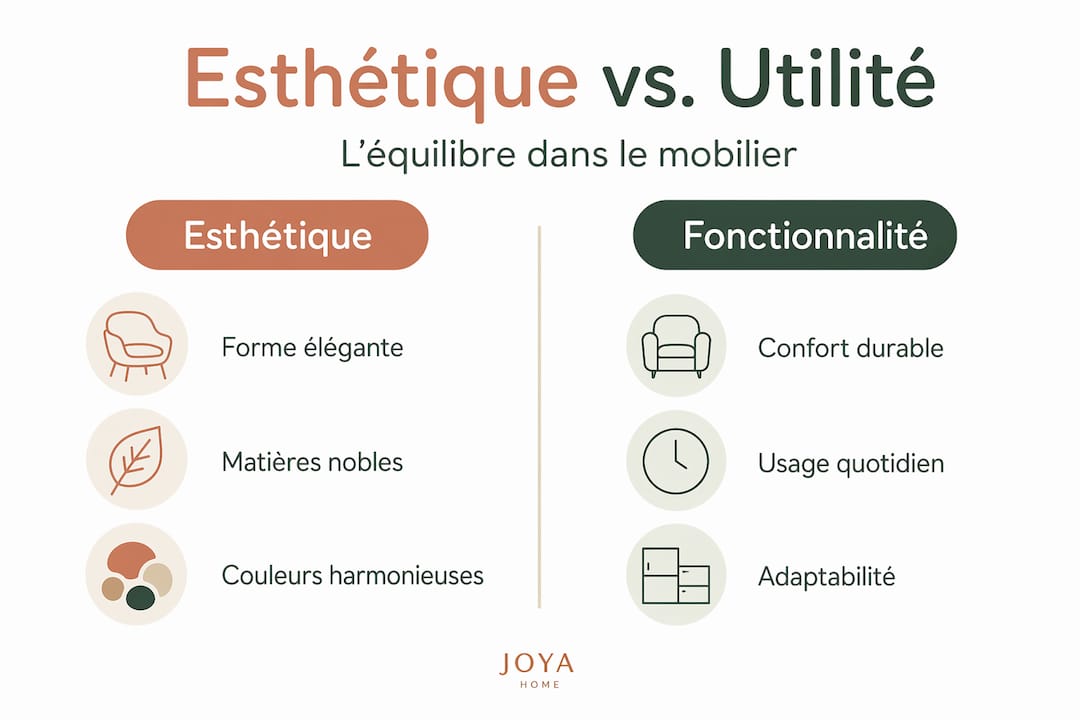
The definition of aesthetics in furniture cannot be separated from functionality. This is where confusion most often arises. We confuse "pretty to look at" with "well-designed." However, these two notions do not always coincide.
The aesthetics of furniture are generally understood as a marriage between aesthetics and functionality. A successful design object values both its beauty and its ability to properly fulfill its role.
A sofa that poorly supports the body, despite its sophisticated curves, is a bad design object. Conversely, a functional but austere sofa may lack the aesthetic dimension that makes one want to enter a room. Modern design and comfort are not opposing forces: they reinforce each other when the designer works on both together.
The great principles of furniture design stipulate that form must follow function. This is not an austere rule; it is a liberation. It means that every curve, every material, every seat height has a functional reason for being that contributes to overall harmony.
Essential Aesthetic Codes for Practical and Retro Furniture
Understanding the functional basis helps to better grasp why certain furniture aesthetic styles endure for decades without aging. Retro and Scandinavian styles are perfect examples.
These approaches share precise visual codes. According to the structural criteria of furniture, several elements define a solid aesthetic:
- Clean lines without superfluous ornaments that visually weigh down
- Rounded angles that soften the space and invite comfort
- Natural materials like light wood or corduroy, which bring warmth and texture
- Absence of decorative flourishes that have no functional role
- Consistency of range between furniture in the same room
The retro style, in particular, plays on soft contrasts: tapered wooden legs, generous seats, textured velvet. It's not just a return to the past. It's an aesthetic response to the coldness of pure minimalism. Corduroy decor ideas perfectly illustrate how this material reinforces both the visual character and tactile comfort of a living room.
Pro tip: Before buying a sofa, take photos of your current living room from two different angles. Print them. Mentally superimpose your color and style choices onto them. What you see will tell you more than any online configurator.
Understanding the Importance of Proportions and Scale for Successful Aesthetics
Beyond visual criteria, furniture aesthetics depend heavily on proportions within the space. A poorly sized piece of furniture destroys the harmony of a room, even if it is of superior quality.
Here are concrete steps to properly evaluate proportions before purchasing:
- Measure your room in length, width, and height, pen and tape measure in hand
- Identify the main wall against which you will place the sofa
- Apply the two-thirds rule: your main piece of furniture should not exceed two-thirds of the length of that wall
- Check circulation by leaving a minimum of 60 to 90 cm between furniture items
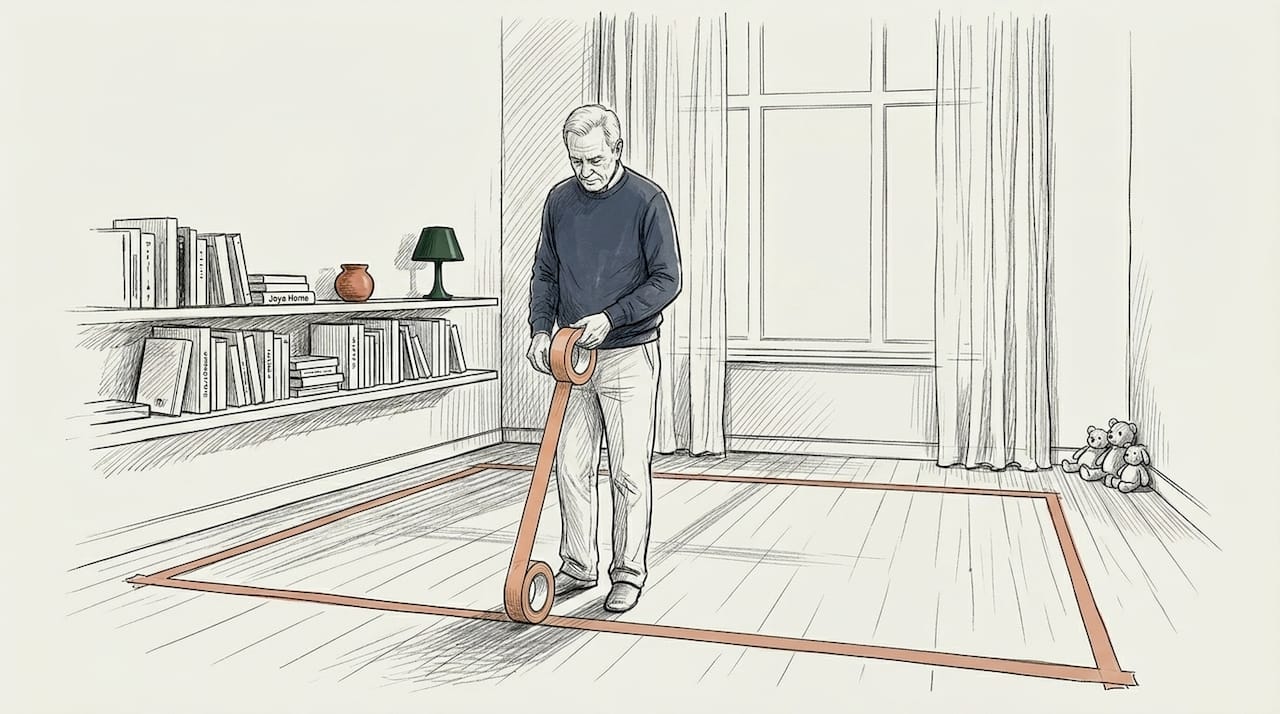
- Test with a kraft paper template on the floor before finalizing your choice
An oversized sofa in a confined space creates an immediate visual imbalance and detracts from the functionality of the entire room. This is not a matter of opinion; it is visual physics.
| Element | Recommended Proportion | Common Mistake |
|---|---|---|
| Sofa vs. main wall | ≤ 2/3 of the length | Sofa touching both walls |
| Coffee table vs. sofa | ½ of the sofa's length | Table too small or too wide |
| Accessories vs. furniture | ≤ 1/3 of the furniture's height | Oversized cushions |
| Circulation between furniture | 60 to 90 cm minimum | Space reduced to 30 cm |
The sofa-to-living room adaptation method allows for further exploration of this logic of proportions applied to the living room.
Pro tip: Use masking tape on the floor to simulate the exact footprint of the sofa before purchasing. Live with this outline for two days. You will know if the size is right for you in reality, not just on paper.
Color Harmony and the Influence of Furniture on High-End Perception
Once proportions are established, color and material refine the aesthetics of furniture and create that impression of luxury that one feels from the threshold of a room.
The 60-30-10 chromatic rule is a simple and effective guideline:
- 60% dominant color (walls, floor, large sofa)
- 30% secondary color (armchair, curtains, rug)
- 10% accents (cushions, decorative objects, lighting)
This distribution is not rigid. It is a starting point to avoid overload or blandness.
| Approach | Visual Result | Suitable for |
|---|---|---|
| Tone-on-tone (same color, varied shades) | Serene and sophisticated space | Small living rooms, Scandinavian style |
| Warm/cool contrast | Visual dynamism | Large spaces, contemporary style |
| Unique color + velvet texture | Tactile and visual richness | Retro style, contemporary furniture |
High-end furniture does not impose itself by its displayed price. It imposes itself by the coherence between material, color, and proportions. A refined finish on a well-dyed corduroy communicates a perceived quality that many cheap synthetic materials cannot imitate, even at three times the price.
The advice on high-end sofas precisely shows how natural materials and targeted finishes build this perception over time.
Why Aesthetics Should Never Sacrifice Practicality in Furniture Choice
Here's what no one explicitly tells you: a piece of furniture that's too beautiful to be used is a failed piece of furniture. Not artistically, but functionally. And in a living room, utility always takes precedence over appearance.
The real mistake we constantly see is buying with eyes on a catalog photo in perfect light, without thinking about seat height, seat depth, or durability. You go home and the sofa is splendid. Six months later, you no longer sit on it because it's uncomfortable.
A piece of furniture can be artistic without sacrificing its ergonomics. Aesthetics must remain livable to ensure comfort and daily use. This is the definition of successful furniture design: you love it even more after using it for a year.
To choose an elegant and livable sofa, the right approach is to mentally test your actual use. Do you read in the evening? Check the armrest. Do you watch movies lying down? Check the seat depth. Beauty then confirms a choice already solid in terms of use.
The importance of aesthetics is real. But it is expressed over time, not in the first impression. Successful furniture and interior design is that which ages well because it was right from the start.
Discover Aesthetic and Practical Sofas at JOYA Home
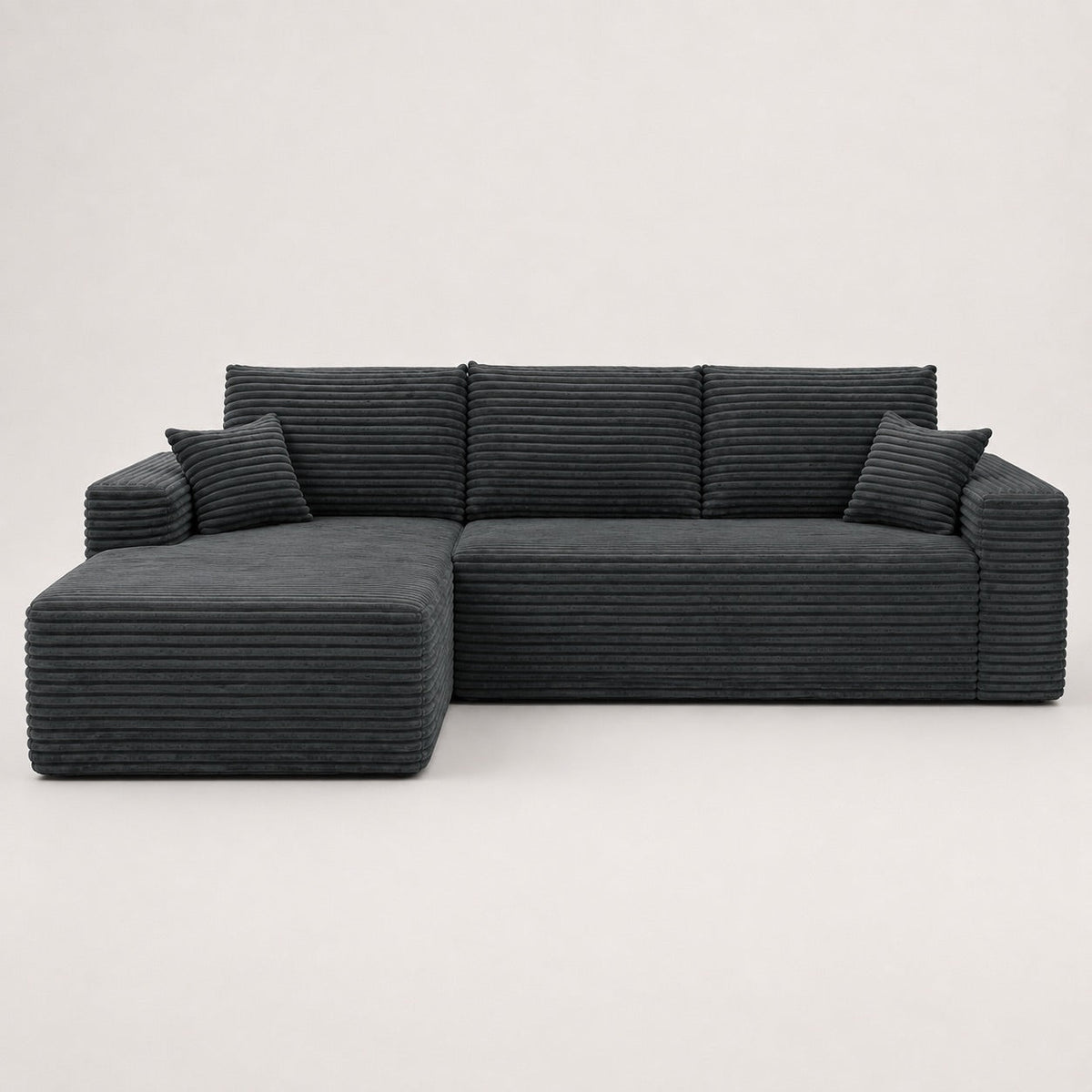
Having understood what aesthetics truly mean, the next logical step is to find a sofa that embodies this balance without compromise. At JOYA Home, corduroy models like Le Méridia and Le Reverso combine retro style, proportions designed for small and medium living rooms, and lasting comfort.
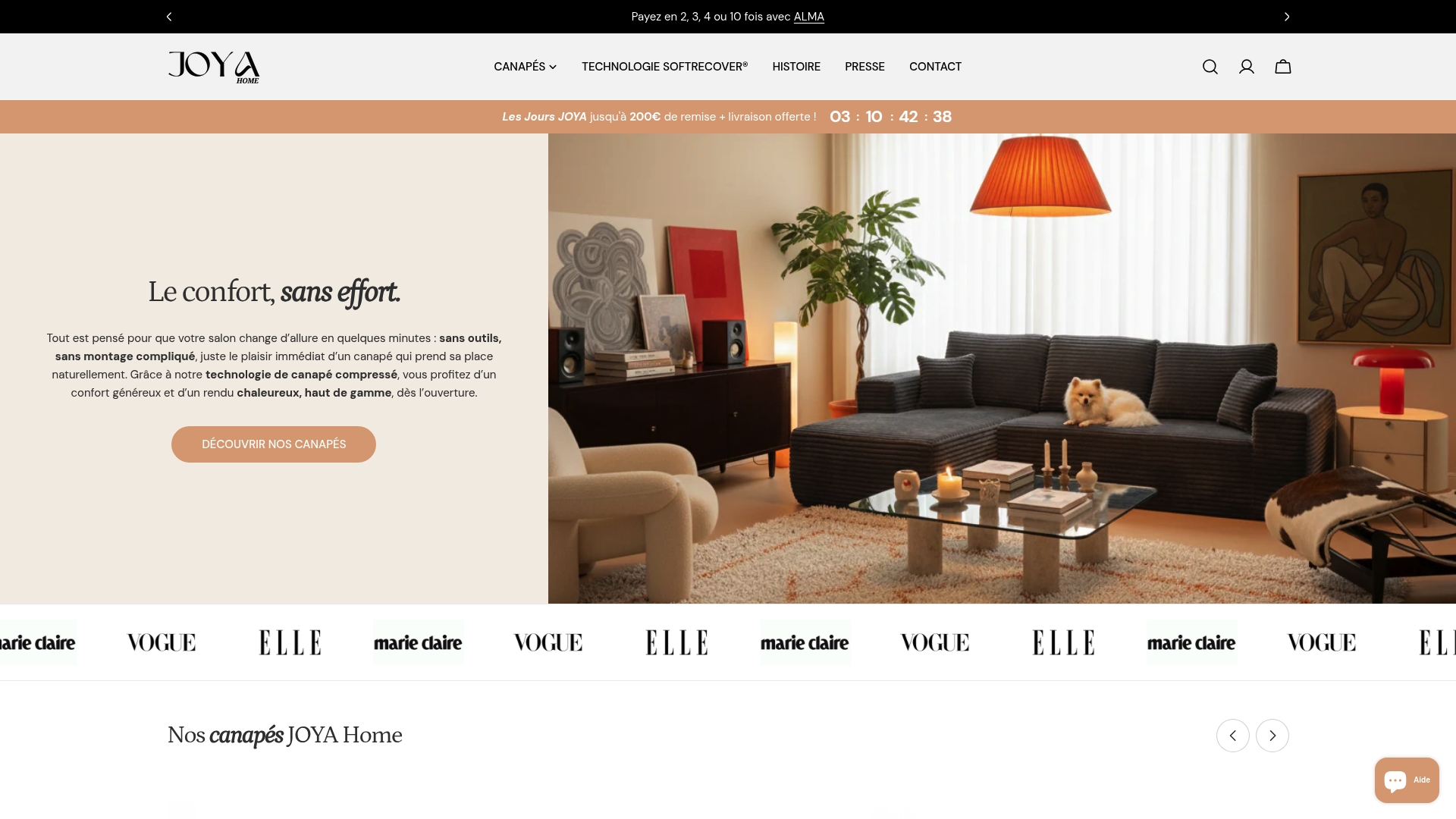
Compressed sofa technology truly changes the online shopping experience. Delivery in a compact box, quick tool-free installation, no logistical stress. Corduroy design sofas combine refined aesthetics with concrete practicality. For small spaces, the selection of sofas adapted to small areas directly addresses the question of proportions. Want to see everything? Discover the entire collection and order directly from your living room.
Frequently Asked Questions
What does aesthetics mean in furniture?
Aesthetics in furniture refers to the balance between visual beauty and practical functionality, where form enhances daily use. It is not solely decorative: it values an object that perfectly fulfills its role while being pleasant to look at.
How to choose a sofa suitable for a small living room?
Choose a proportionate sofa that does not exceed two-thirds of the main wall's length, and check for circulation around it to maintain harmony and comfort. An overly massive piece of furniture creates an immediate visual imbalance in a confined space.
What is the 60-30-10 rule in decoration?
It's a chromatic harmony rule: 60% dominant color, 30% secondary color, 10% accents for a coherent aesthetic balance. This chromatic rule applies to the entire room, including furniture.
How to combine retro aesthetics and practicality in furniture?
You need to choose furniture with clean lines and natural materials, with dimensions adapted to your space to ensure lasting comfort and retro style. Corduroy is an excellent starting point: textured, warm, and easy to maintain.