
TL;DR:
- Packaging compactness reduces volumetric weight, lowers shipping costs, and optimizes delivery routes. However, its benefits are limited by urban, regulatory, and access constraints, which affect last-mile delivery. Compressed sofas exemplify these advantages by facilitating fast, eco-friendly delivery suitable for hard-to-access homes.
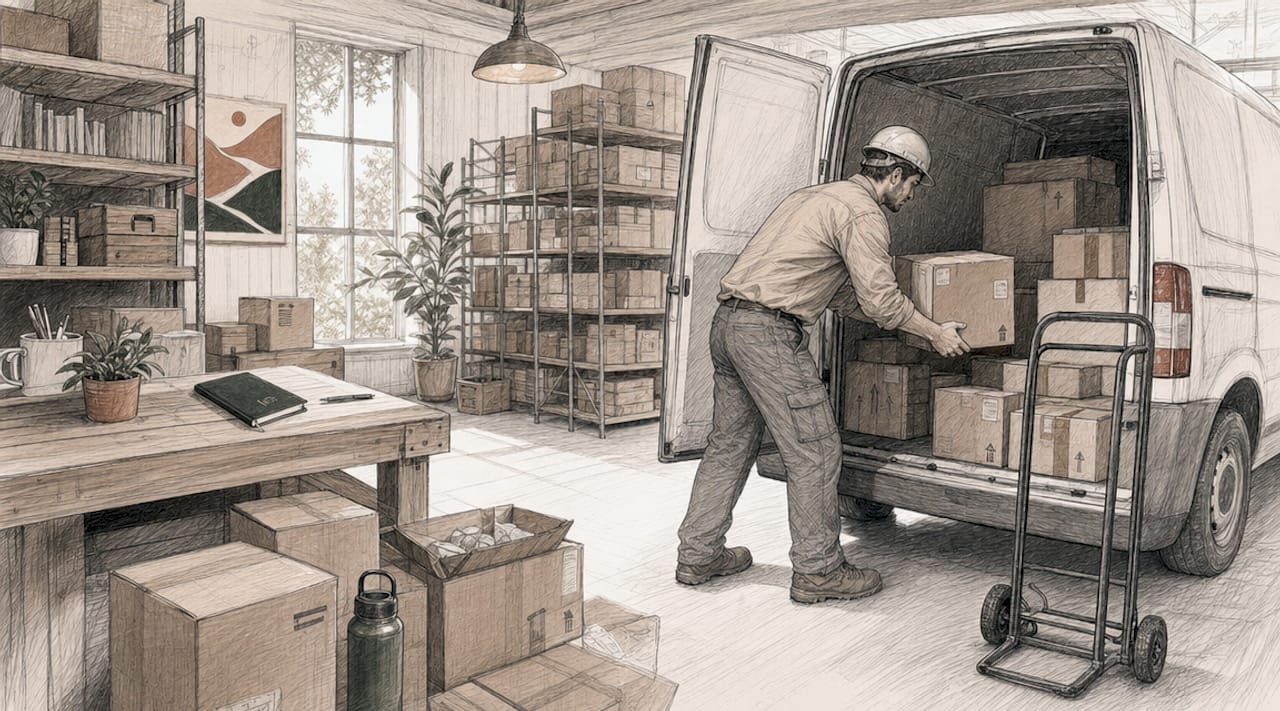
The impact of compactness on delivery is direct and measurable: a more compact package reduces the volumetric weight charged by carriers, lowers shipping costs, and improves delivery times. In furniture e-commerce, this lever has become essential by 2026. Players like Eminza and Flexlogistique confirm that packaging compactness influences every step of the logistics chain, from warehouse departure to your doorstep. Understanding this mechanism allows you to make more informed purchasing choices and better anticipate your delivery experience.
How Compactness Reduces Shipping Costs
Volumetric pricing is the central mechanism linking compactness and logistics costs. In France, carriers calculate volumetric weight using the formula Length × Width × Height ÷ 5000. If this volumetric weight exceeds the actual weight of the package, it is used as the billing basis. A poorly packaged sofa in an oversized box can therefore cost significantly more to ship than an identical model compactly packaged.
Systematic over-packaging generates recurring dimensional surcharges that directly eat into merchants' margins and sometimes reflect in the final price for you. A box that is too large, even if light, can triple the shipping cost perceived by the carrier. For a piece of furniture like a sofa, whose volume is naturally high, the difference between optimized packaging and standard packaging can represent several tens of euros per delivery.
The benefits of good compactness on costs can be summarized as follows:
- Reduction of billed volumetric weight thanks to a box adjusted to the product
- Elimination of dimensional surcharges applied by carriers like Chronopost or DPD
- Better profitability for the merchant, who can offer free or reduced-price delivery
- Less packaging material used, which also reduces the cost of consumables
Pro Tip: A library of boxes calibrated to real order profiles maximizes volumetric weight savings without complicating warehouse operations. Integrating dimension data into a WMS (Warehouse Management System) is key to automating this selection.
Does compactness really improve delivery routes?
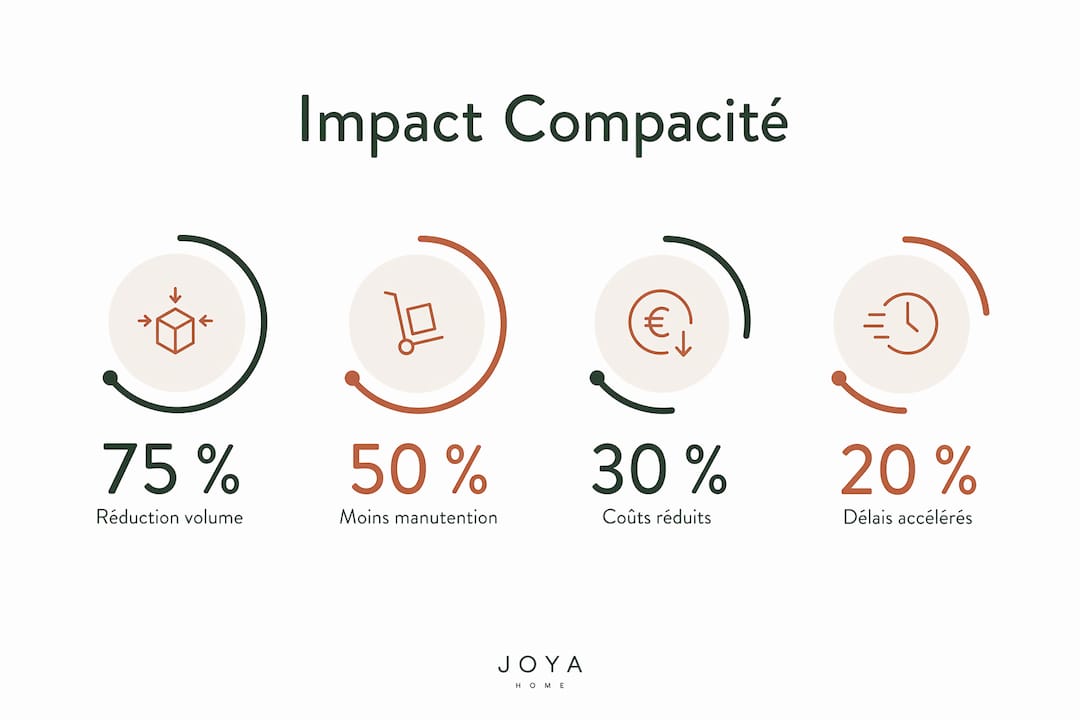
Yes, and the numbers are telling. Improved route planning through AI allows for a 10 to 20% reduction in costs, while improving delivery speed. This means, in concrete terms, that delivery drivers can handle more packages per route, reduce their mileage, and deliver to you within more precise time slots.
Here's how compactness contributes to this optimization, step by step:
- Vehicle loading: Compact packages allow more to be loaded per truck or utility vehicle, reducing the number of necessary rotations.
- Route planning: A denser volume of packages per route allows AI algorithms to calculate shorter and more efficient routes.
- Real-time adjustment: AI delivery solutions enable dynamic re-assignment of packages in case of unforeseen events, such as a blocked street or an absent customer.
- Improved customer experience: Better organized routes result in more reliable delivery slots and better real-time visibility for you.
Compactness therefore acts as a multiplier of logistical efficiency. It doesn't replace planning tools, but it amplifies their effects. A bulky package, even if well-planned, remains a physical constraint that technology cannot eliminate.
Pro Tip: If you buy furniture online, check the dimensions of the delivery package before ordering. A compact product delivered in a small box will always be handled better by carriers than a bulky item, regardless of the quality of the logistics service.
What are the risks and limitations of compactness in delivery?
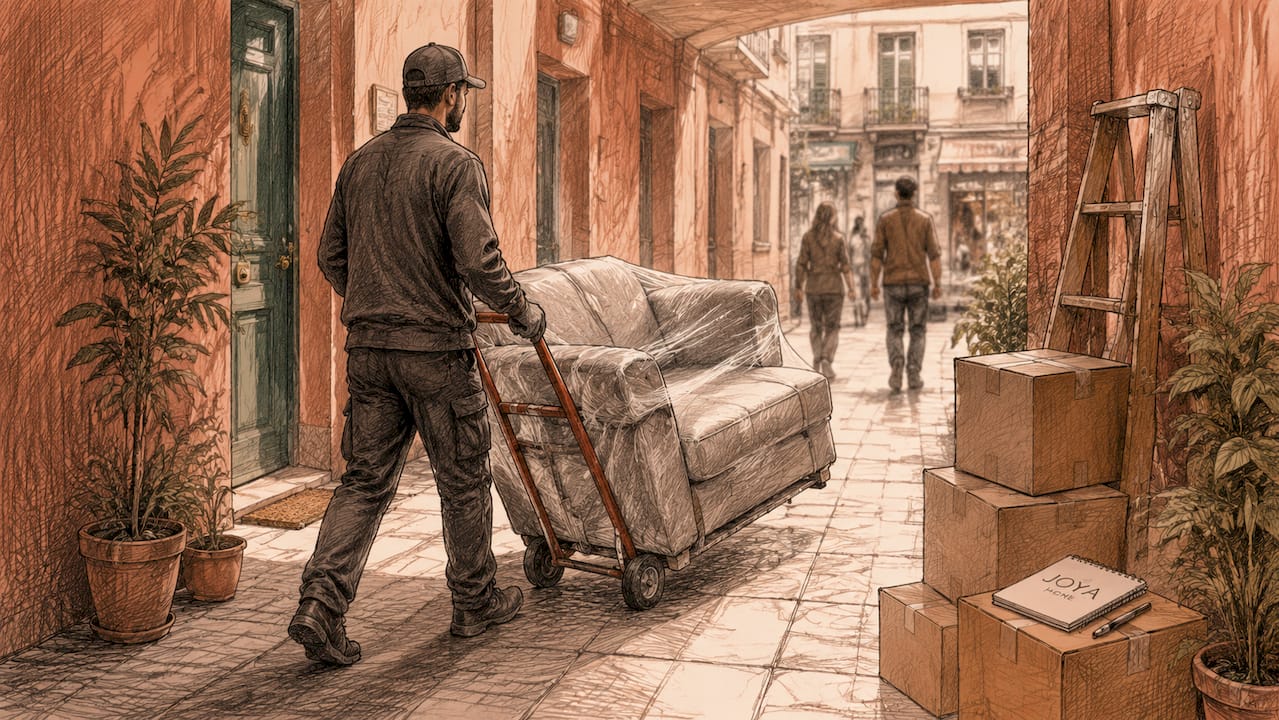
Compactness is not a universal solution. Compactness alone is not enough to overcome significant access, parking, ZFE regulations, and the proliferation of delivery points. This reality is often ignored by online shoppers who expect a compact package to be automatically delivered faster.
Here are the main limitations to be aware of:
- Urban access constraints: a delivery driver blocked by a narrow corridor, a broken elevator, or a pedestrian zone cannot benefit from the compactness of the package. The last mile can represent up to 41 to 50% of the total cost of a delivery, and these costs are often related to the terrain, not the volume.
- ZFE regulations: Low Emission Zones impose a renewal of vehicle fleets. ZFE regulatory constraints limit the time saved by compactness if the carrier does not have compliant vehicles to circulate in your neighborhood.
- Fragmentation of flows: the multiplication of delivery points (home, relay, locker) fragments routes and sometimes cancels out the benefits of optimized packaging.
- Packaging and protection compatibility: the reduction of breakage linked to compactness also depends on the compatibility between packaging technology and the handling process. A product that is too compressed without adequate protection arrives damaged.
Compactness must therefore be integrated into a global system that includes packaging, the logistics process, and delivery timing. Alone, it does not solve the structural problems of the last mile.
How compressed sofas concretely illustrate these effects
Compressed sofas are the most striking example of compactness applied to furniture delivery. These products reduce transport volume by up to 50 to 75%, which radically transforms the associated logistics. A corner sofa that would normally occupy an entire truck can be delivered in a standard box, manageable by a single delivery person.
| Criterion | Standard Sofa | Compressed Sofa |
|---|---|---|
| Delivery Volume | Very High (dedicated truck) | Reduced by 50 to 75% |
| Number of delivery persons needed | 2 to 3 people | 1 person is enough |
| Access to upper floors | Difficult or impossible | Possible in most cases |
| Delivery Time | Within 7 to 14 days | Often within 5 to 7 days |
| Environmental Impact | High emissions | Reduced CO2 emissions |
The reduction of CO2 emissions is facilitated by more efficient delivery thanks to improved package compactness. For you, this means faster delivery, fewer risks of snags on stairs, and simplified installation. Joya-home has built its entire range around this principle, with models like Méridia and Reverso, delivered directly to your home in a compact box. To learn more about the benefits of compressed furniture, the advantages are numerous and concrete.
Key Points
Packaging compactness is the most direct lever to reduce shipping costs, improve delivery routes, and simplify the reception of bulky furniture at home.
| Point | Details |
|---|---|
| Volumetric weight | The L×W×H÷5000 formula determines the actual cost charged by carriers. |
| Route optimization | Increased compactness allows more packages to be loaded per vehicle and reduces costs by 10 to 20%. |
| Urban limits | ZFEs, parking, and difficult access limit gains even with a compact package. |
| Compressed sofas | A 50 to 75% volume reduction transforms the delivery of bulky furniture into a simple operation. |
| Global system | Compactness must be combined with good packaging, an adapted WMS, and coherent logistics planning. |
What I observe about compactness in urban logistics
After analyzing dozens of cases in furniture e-commerce, I am convinced that compactness is underestimated by most online shoppers. We look at the price, the design, sometimes the announced delivery times. But we almost never think about the dimensions of the delivery package, which nevertheless dictate the entire experience.
What strikes me is that merchants who invest in 3D cartonization and volumetric optimization don't communicate it enough. Yet it's a strong customer argument: knowing that your sofa will arrive in a box that a single delivery person can carry up to your apartment is a concrete promise. Joya-home understood this by making compression a central argument, not just a technical note.
The common mistake I see among buyers: choosing a product without checking if the merchant truly masters their logistics chain. A beautiful sofa delivered in two weeks with three delivery people and half a day of assembly is a bad experience, regardless of the product's quality. Compactness, well-integrated into a coherent logistics system, is what separates a successful delivery from a nightmarish one.
— Charles
Discover Joya-home compressed sofas
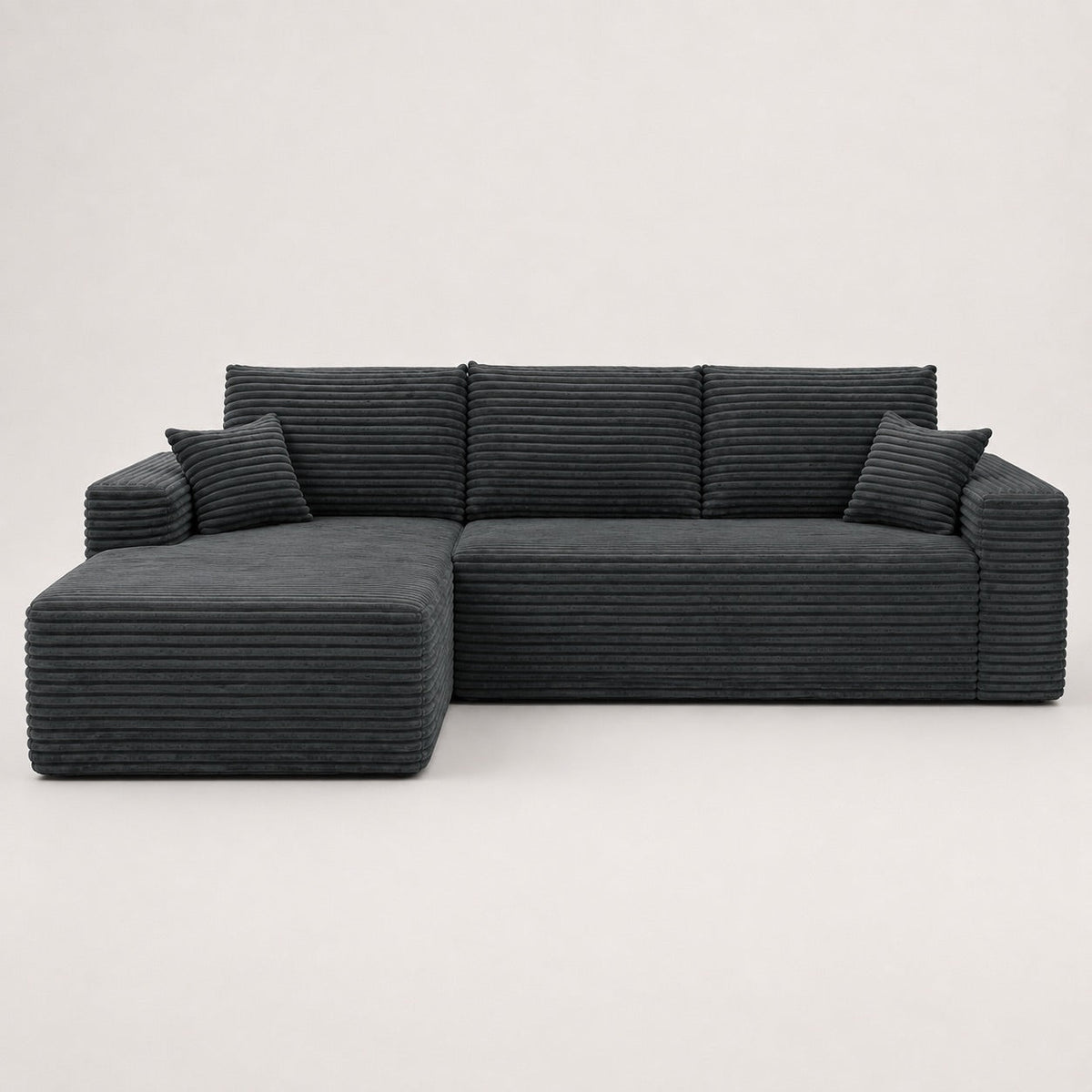
Joya-home offers a range of corduroy corner sofas specially designed for simplified delivery thanks to compression technology. The Méridia and Reverso models are delivered in compact boxes, manageable by a single delivery person, and can be assembled in minutes without special tools.
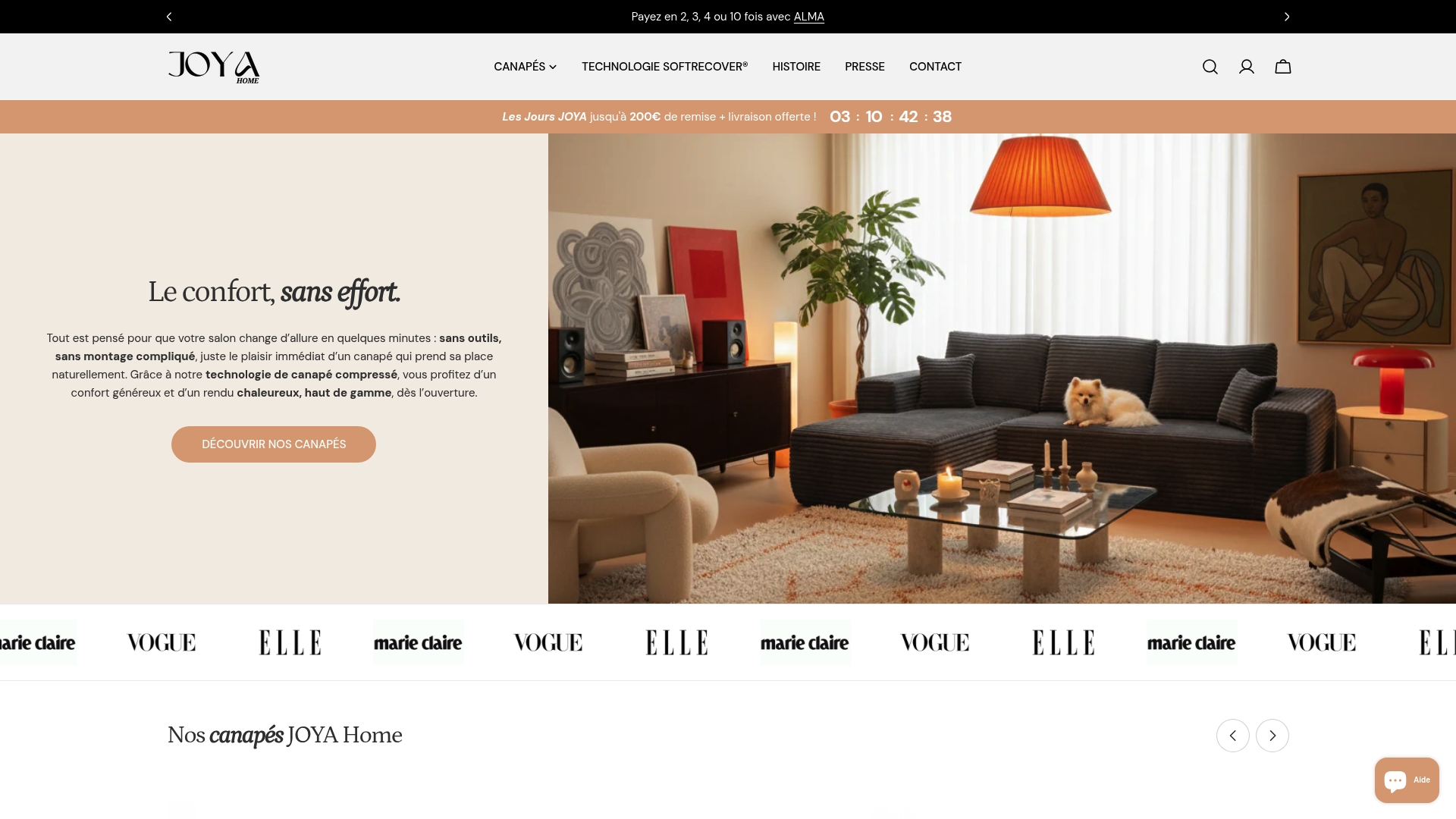
Each Joya-home sofa benefits from a volume reduction of up to 75%, ensuring short delivery times and easy access to all types of housing, including upstairs apartments. Discover the definition and benefits of compressed sofas or explore the complete collection directly to find the model suitable for your living room.
FAQ
What is volumetric weight in delivery?
Volumetric weight is calculated using the formula L×W×H÷5000 and represents the cost of space occupied in the carrier's vehicle. If this weight exceeds the actual weight of the package, it determines the shipping rate.
Does compactness really reduce delivery times?
Yes, indirectly. A compact package allows carriers to load more orders per route, which improves planning and reduces delivery times. AI-driven route optimization can lower costs by 10 to 20% and speed up deliveries.
What risks remain despite compact packaging?
Urban constraints such as ZFEs, difficult parking, and narrow access can negate the benefits of compactness. The last mile accounts for up to 50% of the total cost of a delivery, and these costs often depend on the terrain, not the package volume.
Why are compressed sofas easier to deliver?
Compressed sofas reduce their transport volume by 50 to 75%, making them manageable by a single delivery person and accessible in almost all types of housing, including upstairs apartments without an elevator.
How to choose a sofa with optimized delivery?
Check the dimensions of the delivery package before purchasing, not just those of the assembled product. A merchant who communicates about the compactness of their packaging and compression technology, like Joya-home, generally offers a more reliable and faster delivery experience.