
In brief:
- Textiles play a crucial role in comfort, by regulating microclimate and absorbing sounds.
- Choosing natural fibers like wool or cotton improves comfort, durability, and health.
The role of textiles in comfort is defined by their ability to regulate skin microclimate, absorb sounds, and stimulate sensory well-being in every room. A fabric is not just a decorative surface. It is an active system that interacts with your body and your environment at all times. Understanding the impact of fibers on your daily life means transforming the way you furnish your home.
What physical properties of fibers influence comfort?
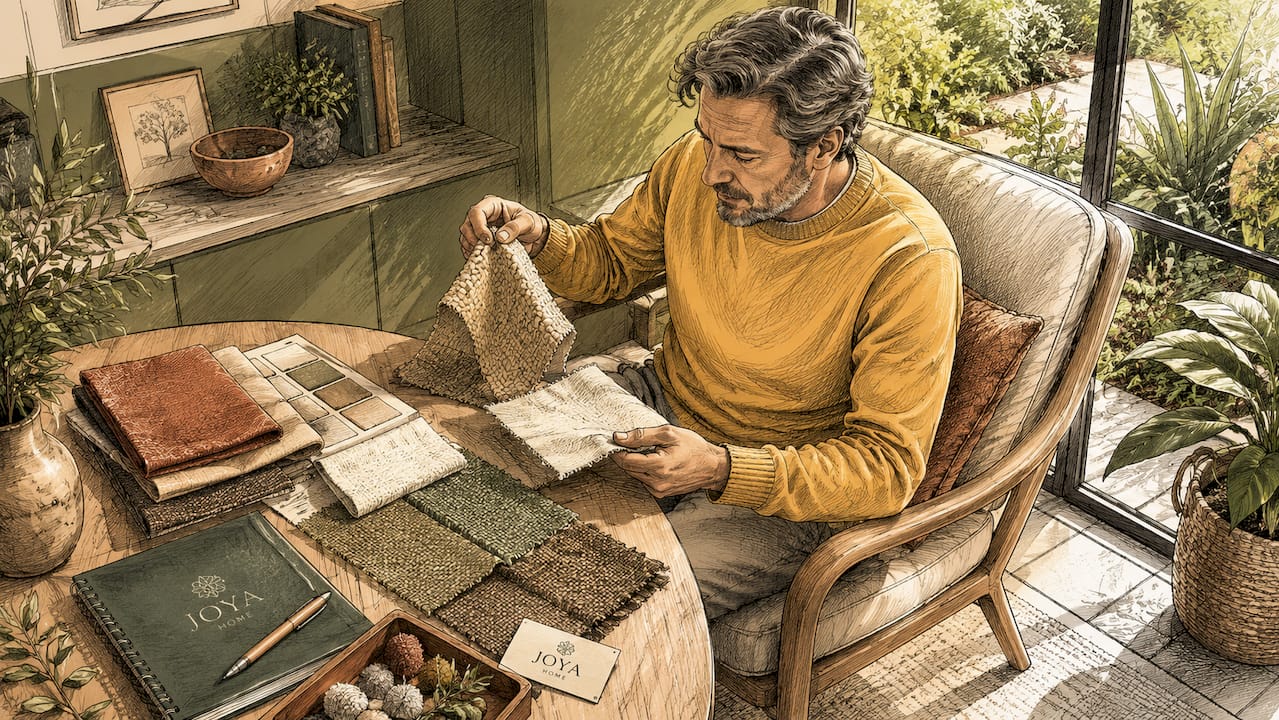
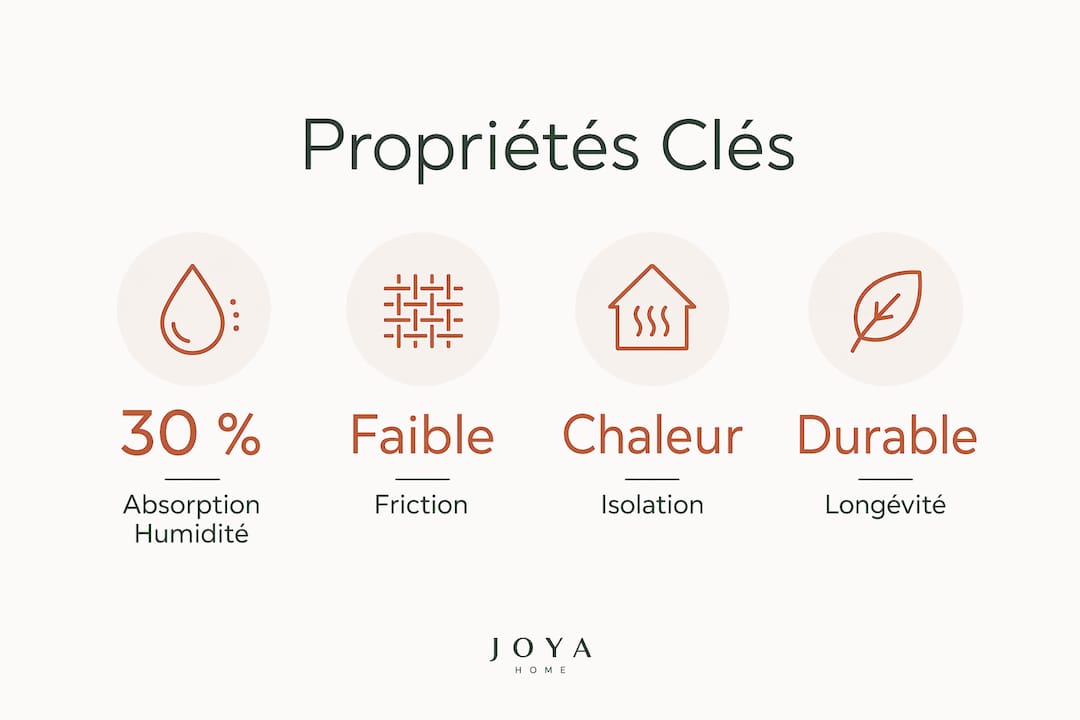
Textile comfort relies on three measurable properties: moisture absorption, friction coefficient, and thermal capacity. These three factors determine how you feel when in contact with a fabric, long before your eyes evaluate it.
Moisture Absorption
Wool is the most effective natural fiber in this regard. It absorbs up to 30% of its weight in moisture without feeling damp. This mechanism stabilizes the microclimate between the fabric and the skin, which reduces perceived perspiration and improves thermal comfort over time.
Friction and Softness to the Touch
The fiber structure directly determines the perceived softness. Fine wool has low friction on the skin, minimizing irritation and discomfort for sensitive skin. Conversely, some rough-surfaced synthetic fibers generate micro-friction that tires the skin in the long run.
Breathability and Weave
Cotton perfectly illustrates the importance of weave. A loose weave with long fibers improves breathability and moisture wicking. Two cotton sofas can therefore offer very different levels of comfort depending on their textile construction.
- Wool: high absorption, low friction, natural thermal insulation
- Cotton: variable breathability depending on the weave, moderate softness
- Linen: effective thermoregulation, firmer texture
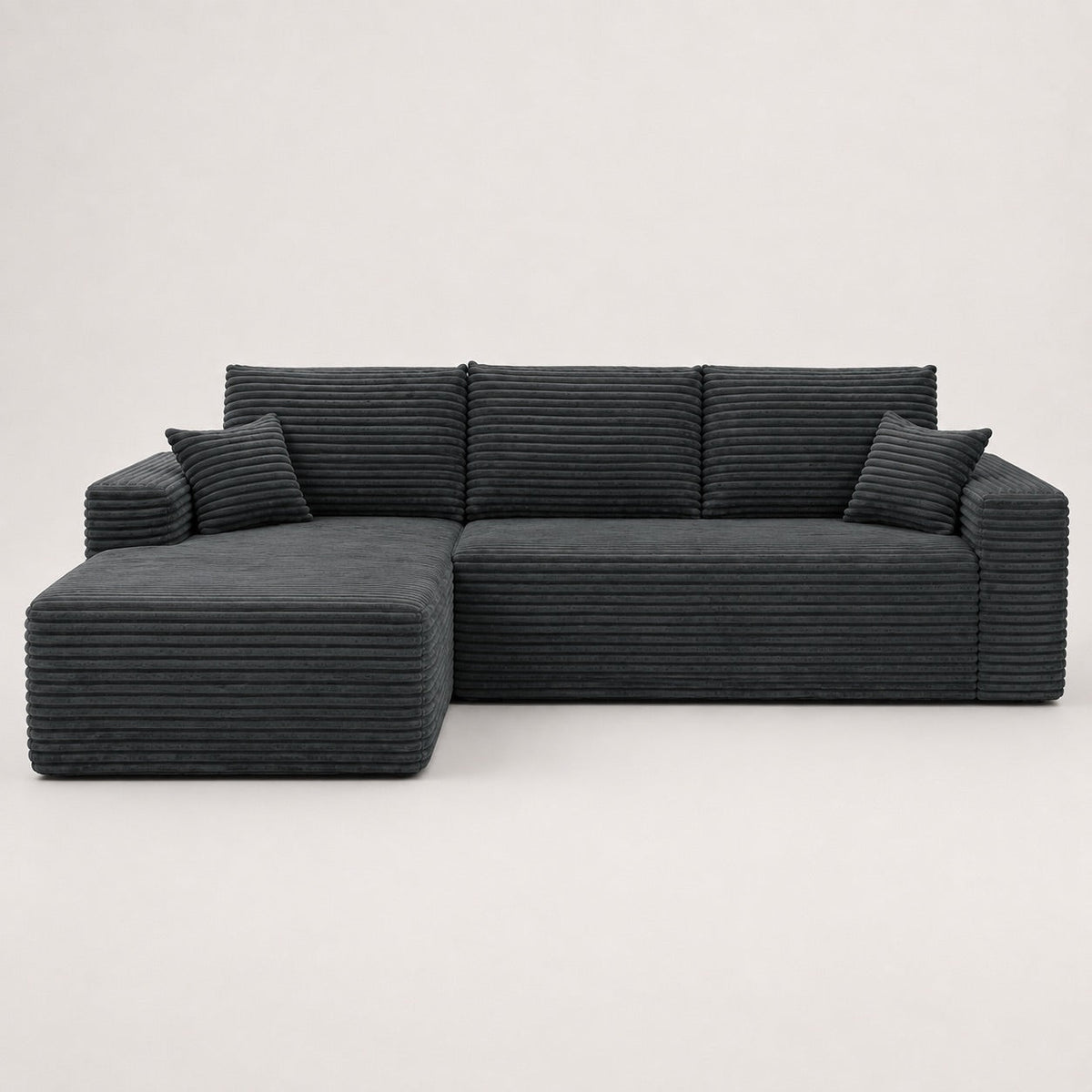
- Corduroy: soft and dense surface, excellent durability
Pro Tip: Wash new textiles before their first use. The initial wash changes the texture and improves fabric absorption, a step most consumers overlook.
How do textiles improve sensory comfort and ambiance?
Textiles act on four sensory dimensions simultaneously: touch, hearing, sight, and emotion. This combined action explains why a well-appointed living room feels as good as it looks.
Acoustics, the Invisible Effect of Textiles
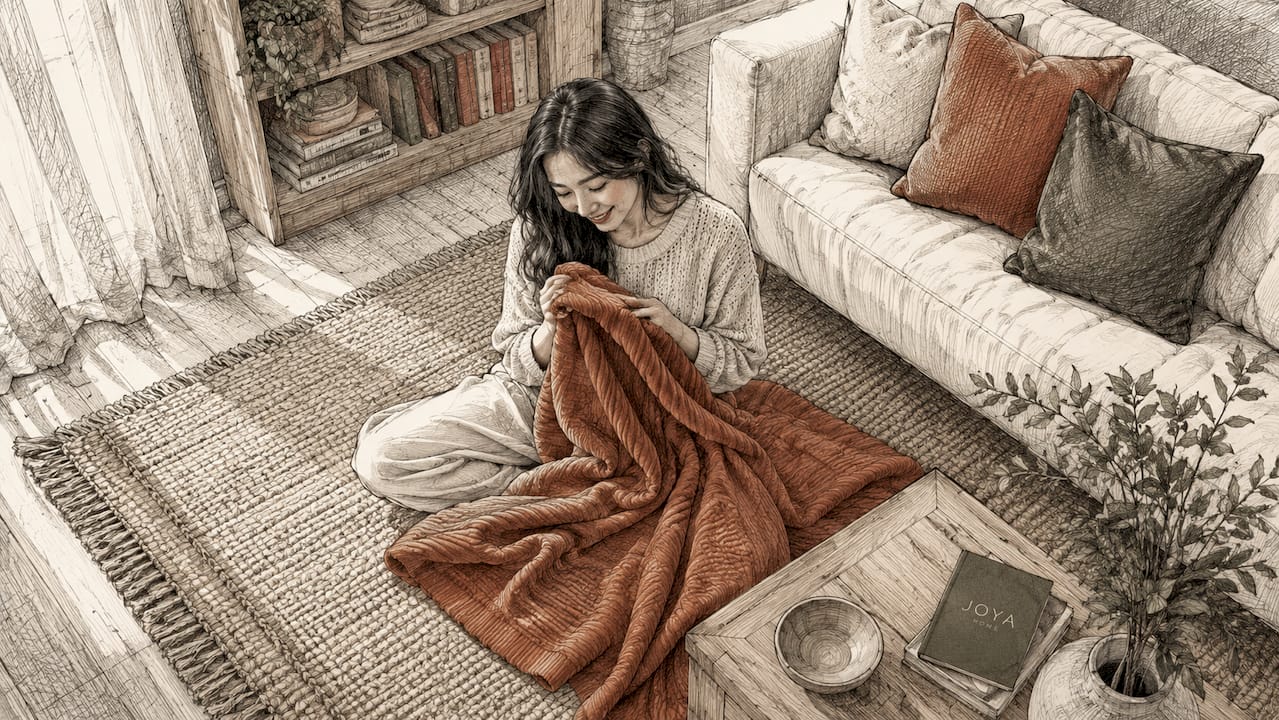
French wool produces approximately 14,000 tons per year, used notably for rugs and throws. These products significantly reduce sound reverberation. A living room without textiles resonates. With thick curtains, a wool rug, and cushions, sounds are absorbed, and the space becomes perceptibly quieter.
Ambiance and Sense of Security
Soft and warm textiles act as sensory markers. In nursing homes, the choice of appropriate textiles reduces anxiety and stimulates the senses to reinforce the feeling of security. This mechanism works in all homes: a sofa covered with a soft fabric creates an emotional anchor that hard surfaces cannot offer.
Textile Innovations for Well-being
CBD textiles represent the most significant advance in recent years. The Linder brand has developed fabrics incorporating CBD through microencapsulation of natural active ingredients, gradually releasing their relaxing properties upon contact with body heat. These textiles help reduce stress and promote restorative sleep.
Here are the four sensory effects of well-chosen textiles in a living space:
- Noise reduction: thick fibers absorb medium and high sound frequencies.
- Thermal regulation: natural fibers maintain a stable temperature in contact with the skin.
- Visual calming: soft textures and natural colors reduce excessive visual stimulation.
- Emotional anchoring: the touch of a familiar fabric activates feelings of calm and security.
"Adapted textiles recreate a reassuring environment that affects psychological well-being and sensory stimulation." Source: Globe Senior
To learn more about integrating velvet into your decor, consult this guide on corduroy velvet offered by Joya-home.
What criteria for choosing comfortable textiles at home?
Choosing comfortable materials is based on five concrete criteria. Ignoring them means buying a textile that disappoints within the first few weeks.
| Criterion | Natural fibers (wool, cotton, linen) | Synthetic fibers (polyester, microfiber) |
|---|---|---|
| Moisture absorption | High | Low |
| Softness to the touch | Natural, improves over time | Variable, can be scratchy |
| Breathability | Good to excellent | Limited |
| Maintenance | Delicate for wool | Easy, machine wash |
| Durability | Long if properly maintained | Good mechanical resistance |
| Thermal comfort | Natural regulation | Can accumulate heat |
Durability deserves special attention. A smooth surface reduces friction and improves comfort for sensitive skin in the long term. Corduroy, for example, combines a dense, soft surface with excellent wear resistance, making it a relevant choice for everyday sofas.
Pro Tip: For a sofa, prefer a fabric with a foam density of at least 35 kg/m³ combined with a corduroy covering. This duo guarantees firm support and lasting softness, without premature sagging.
To choose a fabric suitable for your use, this guide on breathable fabrics from Joya-home details the essential criteria.
What is the impact of textiles on health and well-being?
Textile comfort and health are directly linked by precise physiological mechanisms. This is not a matter of subjective feeling.
The slight warming of the feet by natural textiles such as wool or silk induces peripheral vasodilation which facilitates falling asleep and improves nocturnal thermal regulation. This phenomenon explains why wool socks remain a more effective sleep tool than many technological accessories.
Soft textiles also activate the parasympathetic nervous system, which manages relaxation and recovery. Gentle compression devices made of stretchy fabrics promote falling asleep in less than 15 minutes on average. This result illustrates the power of therapeutic textiles on sleep quality.
- Natural fibers maintain a stable skin microclimate, reducing irritation and nocturnal awakenings.
- Soft textiles reduce the stimulation of the sympathetic nervous system, responsible for stress.
- CBD textiles gradually release relaxing active ingredients, without immediate harsh effects.
- Sensitive skin directly benefits from low-friction fibers like merino wool.
The importance of fibers in comfort therefore extends far beyond aesthetics. Every textile in your living room, bedroom, or office influences your physiology in a measurable way.
Key Points
The role of textiles in home comfort is physiological, acoustic, and emotional: choosing the right fibers directly transforms the quality of daily life.
| Point | Details |
|---|---|
| Moisture absorption | Wool absorbs up to 30% of its weight without feeling damp, stabilizing the skin's microclimate. |
| Friction and softness | Low-friction fibers like fine wool reduce irritation for sensitive skin. |
| Acoustic comfort | Wool rugs and throws absorb sounds and reduce reverberation in living spaces. |
| Health and sleep | Natural textiles induce vasodilation that facilitates falling asleep and improves sleep. |
| Selection criteria | Density, breathability, maintenance, and fiber type determine the durability of textile comfort. |
What I Learned from Observing Truly Comfortable Interiors
After years of analyzing living spaces and advising on interior design, I noticed a recurring mistake: people invest in furniture and neglect textiles. They buy a structured sofa but cover it with a synthetic fabric that accumulates heat and scratches in summer. The result: a living room that looks good but doesn't feel good to live in.
What struck me was that the most comfortable interiors I've seen are not necessarily the most expensive. They have in common an attention to materials: a wool throw draped over a velvet sofa, a thick rug under a coffee table, heavy curtains that absorb street noise. These simple choices create a coherent sensory experience.
The CBD textile innovation also surprised me. I remained skeptical until I understood the microencapsulation mechanism. It's not marketing. It's a concrete answer to a real need for decompression in the home.
My advice: start with the textile that covers the largest surface in your living room. That's the sofa. If its upholstery is soft, breathable, and durable, everything else harmonizes more easily around it.
— Charles
Discover Joya-home Corduroy Sofas
Textile comfort begins with the central piece of furniture in your living room. Joya-home offers corduroy sectional sofas with 35 kg/m³ quality foam, designed to combine softness, support, and durability. The Le Méridia and Le Reverso models combine a soft and dense textile surface with a structure designed for daily comfort.
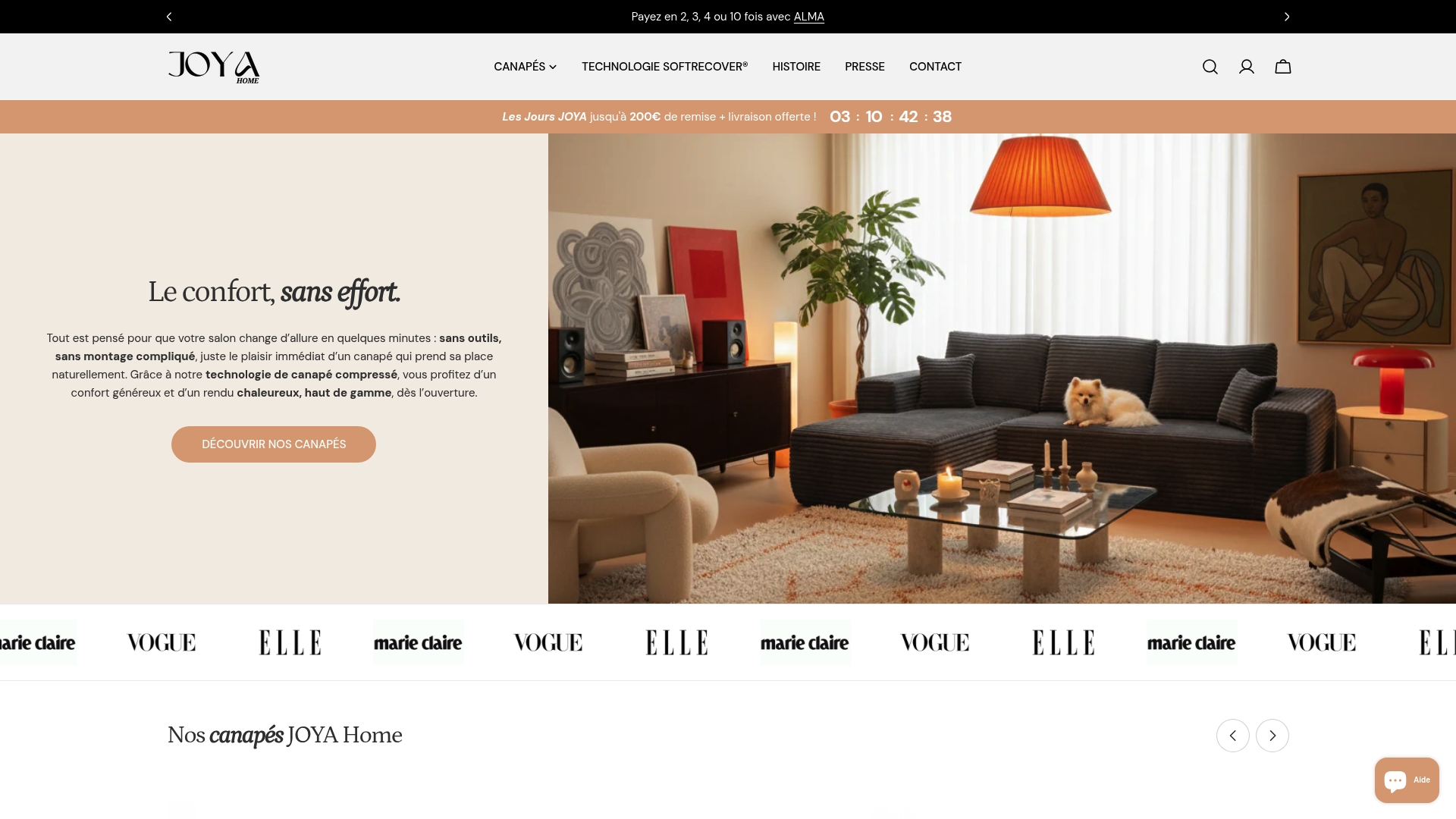
The compressed sofa technology allows for 7-day delivery, directly to your home, without logistical constraints. You choose your model online, it arrives compacted in a box and unfolds in minutes. This is the most direct way to effortlessly transform the textile comfort of your living room.
Frequently Asked Questions
Why are natural fibers more comfortable?
Natural fibers like wool and cotton actively regulate humidity and temperature. They maintain a stable skin microclimate that synthetic fibers cannot replicate.
What textile to choose for an everyday sofa?
Corduroy is the most suitable choice: its dense surface is soft to the touch, wear-resistant, and easy to maintain. Combined with quality foam, it guarantees lasting comfort.
Do textiles really influence sleep?
Yes. Warming the feet with wool or silk textiles induces peripheral vasodilation which facilitates falling asleep. Gentle compression blankets reduce the average time to fall asleep to less than 15 minutes.
What is CBD microencapsulation in textiles?
It is a technique that integrates natural active ingredients like CBD directly into textile fibers. Upon contact with body heat, the microcapsules gradually release their relaxing properties to reduce stress.
How to care for a textile to preserve its comfort?
Wash new textiles before their first use to improve their absorption and softness. Respect recommended temperatures to avoid felting natural fibers like wool.