
Many buyers choose a sofa because it feels soft or looks good in pictures. This is understandable, but it is also the first mistake. A plush fabric can hide a fragile frame, and a carefully curated vintage look can conceal foam that sags in six months. This guide provides objective and verifiable criteria that most sellers never mention: materials, certifications, durability tests, and concrete warning signs. Whether you buy online or in-store, you'll know exactly what to look for to avoid regretting your investment.
Table of Contents
- Understanding a Sofa's True Durability
- Deciphering Materials: What Makes the Difference
- Tests and Visual Signs of a Truly Solid Sofa
- Avoiding Pitfalls: Greenwashing, Fake Labels, and Vintage Specifics
- Adopting Good Habits: Pre-Purchase Checklist
- Find the Durable Sofa That Suits You
- Frequently Asked Questions About Sofa Durability
Key Points
| Point | Details |
|---|---|
| Check the labels | OEKO-TEX, FSC, or GOTS are reliable guarantees for a durable and healthy sofa. |
| Demand high density | Opt for foam above 35 kg/m³ and abrasion-resistant fabrics. |
| Analyze the frame | A kiln-dried solid wood frame guarantees robustness and longevity. |
| Avoid greenwashing | Beware of self-declared labels and rely on recognized certifications. |
| Adopt good buying habits | Compare strength, technical specifications, and after-sales service before buying online. |
Understanding a Sofa's True Durability
To make the right choice, you first need to understand what "durable" truly means in the world of sofas. Durability isn't just about apparent strength. It encompasses three dimensions: physical resistance over time, the longevity of materials with daily use, and responsible choices regarding component origins.
A sofa might seem robust in the store but prove disappointing after two years of normal use. The difference often lies in details invisible to the naked eye: foam density, the quality of the wood in the frame, or the treatment of fabric fibers. To explore the materials and styles of sofas that truly make a difference, you need to look beyond aesthetics.
Here are the key points to remember about a sofa's true durability:
- Fabric resistance: measured in Martindale cycles, aim for more than 30,000 cycles for intensive use.
- Load-bearing frame: preferably hard solid wood, never particleboard.
- Quality foam: high density, that regains its shape after each use.
- Serious certifications: FSC for wood, OEKO-TEX for fabrics, GOTS for organic fibers.
The ecological criteria for sofas have become essential in 2026. To recognize a durable sofa, check for FSC, OEKO-TEX, and GOTS certifications on the product sheet.
"A durable sofa is first and foremost a sofa where every component has been designed to last, not just to please at first glance."
For vintage style enthusiasts, this requirement is even stronger. Patinated finishes and warm tones must rest on a solid base, otherwise, the charm quickly fades with wear.
Deciphering Materials: What Makes the Difference
After understanding the basics of durability, it's essential to delve into the core of the subject: the very material of the sofa. Not all materials are equal, and some sellers rely on appearance to mask economic choices that are not conducive to longevity.
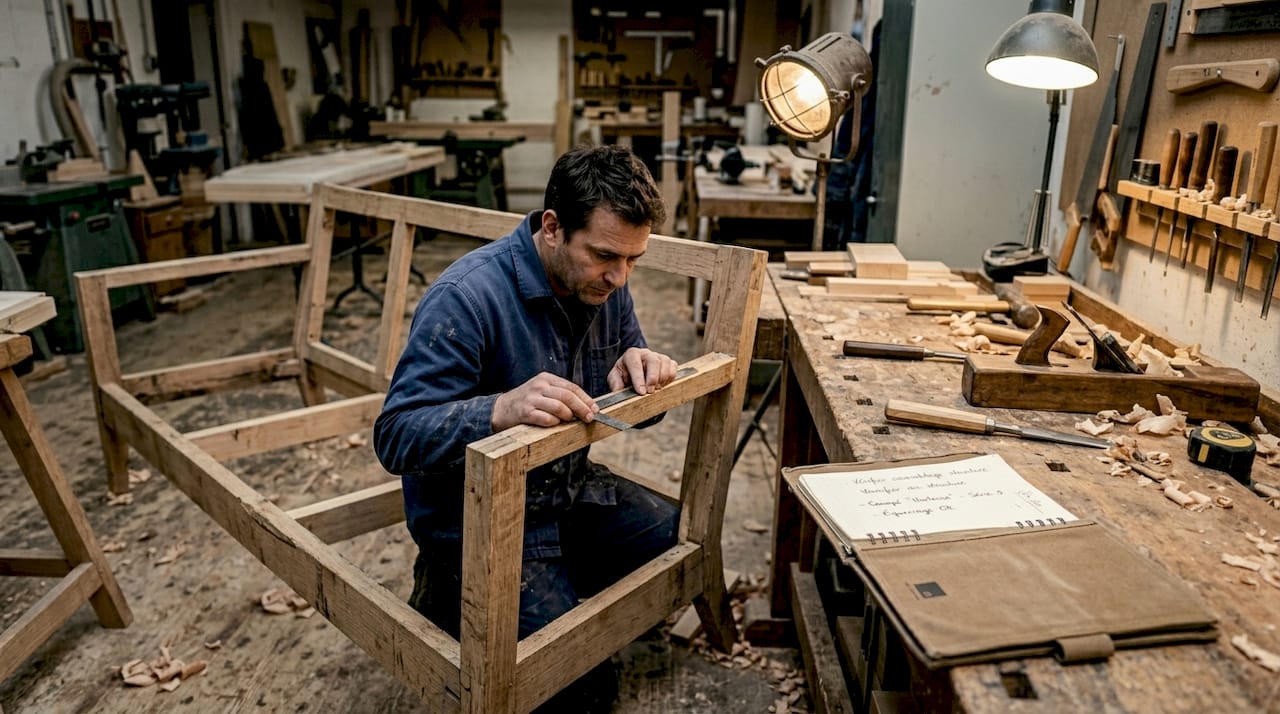
The wooden frame is the skeleton of any sofa. A frame made of hard solid wood like kiln-dried oak, beech, or maple guarantees much greater resistance than MDF or particleboard, which swell with humidity and crack under pressure. Demand FSC-certified wood.
Foam is the other critical variable. High-density foam ≥35 kg/m³ for the seat (HR high resilience) and ≥25 kg/m³ for the backrest ensures lasting support. Below this, the foam crushes and no longer regains its shape after a few months.
Pro tip: Always ask for the exact foam density in kg/m³ before buying. A reputable seller will provide it without hesitation. If this information is missing from the product sheet, it's a warning sign.
| Material | Durability | Main risk |
|---|---|---|
| Hard solid wood (oak, beech) | Excellent | Higher cost |
| MDF / particleboard | Low | Swelling, cracks |
| HR foam ≥35 kg/m³ | Excellent | None if certified |
| Standard foam <25 kg/m³ | Low | Rapid sagging |
| High-density velvet | Very good | Regular maintenance |
| Low-end synthetic fabric | Poor | Pilling, discoloration |
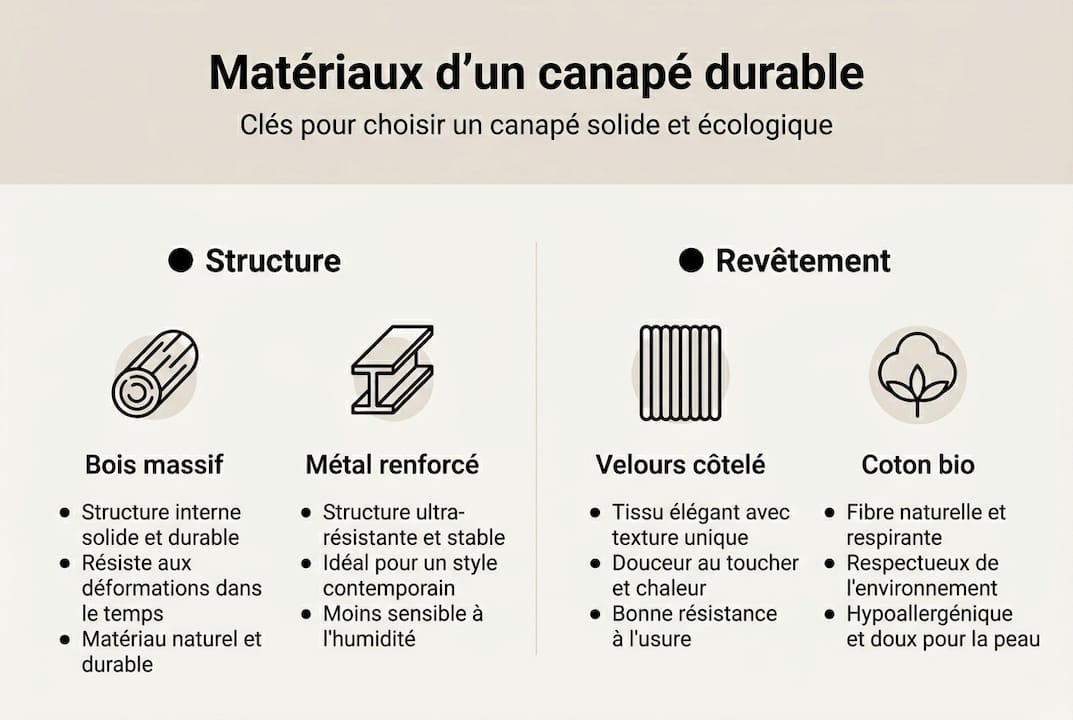
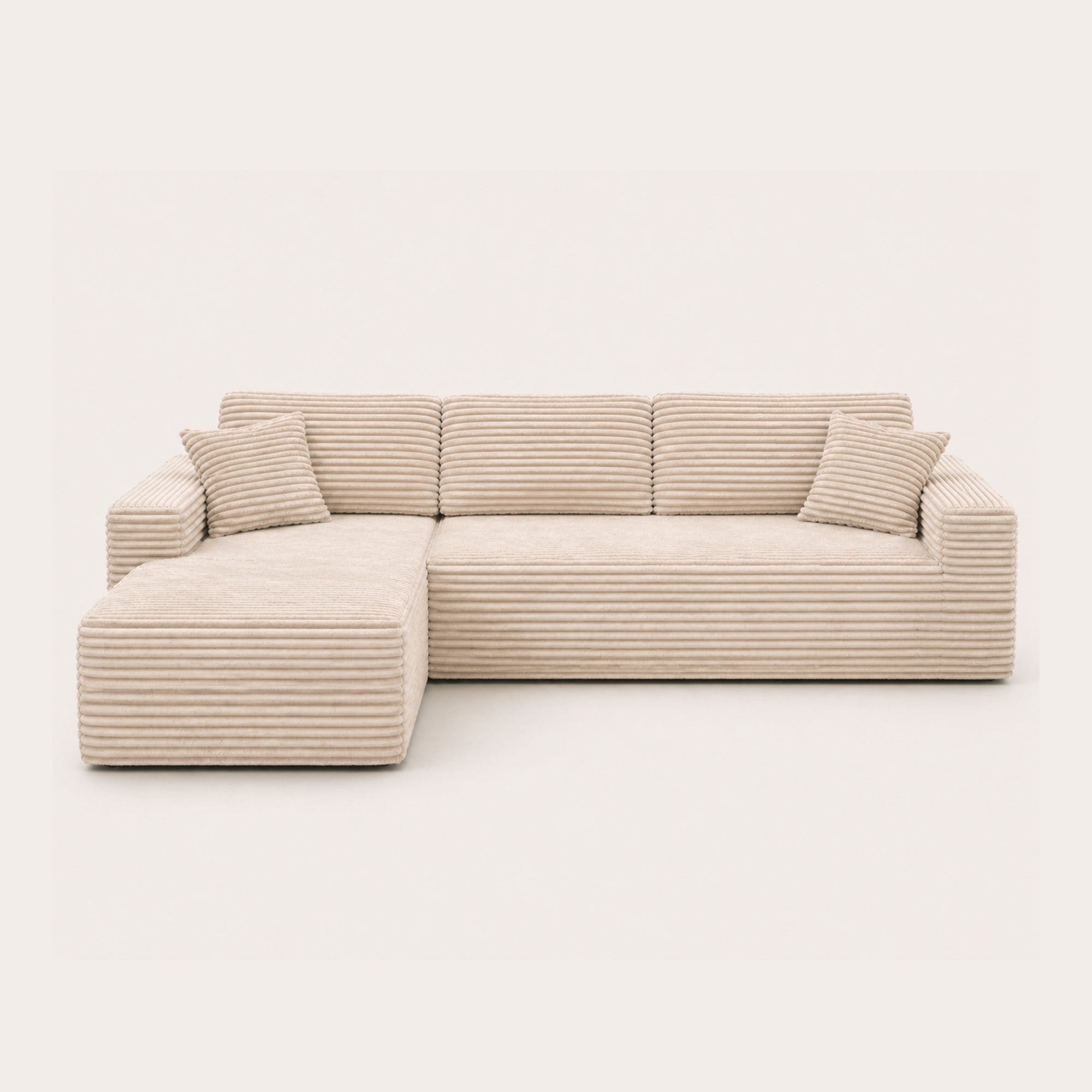
For fabrics, high-density corduroy is an excellent choice for a durable vintage style. It resists daily use well and ages elegantly. Joya Home's SoftRecover technology is designed precisely to combine this type of fabric with a compressed structure without compromising strength. Comparing compact vs. classic sofas also helps to better understand the technical compromises.
Tests and Visual Signs of a Truly Solid Sofa
Once the materials have been analyzed, it is important to know how to detect the tangible signs (and pitfalls) that will make a difference in daily life. Even when buying online, several clues allow you to assess the actual solidity of a sofa.
- Check the indicated weight: a high weight indicates quality materials. A light sofa often betrays a hollow frame or low-density foam.
- Read the complete technical sheet: look for Martindale data, foam density, and the type of wood used.
- Look at photos from multiple angles: the joints, legs, and seams should be neat and regular.
- Ask for a video or demonstration: a serious seller will agree to show the sofa's stability in real-time.
- Check customer reviews: look for feedback on durability after 12 to 24 months of use, not just upon delivery.
Pro tip: Ask this direct question to customer service: "What is the total weight of the sofa and what is the density of the seat foam?" The answer (or lack thereof) will tell you everything about the seller's seriousness.
| Indicator | Good sign | Bad sign |
|---|---|---|
| Sofa weight | Heavy for its size | Very light |
| Martindale cycles | >30,000 | Not communicated |
| Seat foam density | ≥35 kg/m³ | <25 kg/m³ or absent |
| Wood type | FSC certified solid | MDF or not specified |
| Stability | No creaking | Creaking when empty |
For an easy-to-assemble sofa without sacrificing strength, make sure that sofa durability tests are well documented by the manufacturer. A hassle-free delivery guide can also help you anticipate the steps after purchase.
Avoiding Pitfalls: Greenwashing, Fake Labels, and Vintage Specifics
Even when being vigilant about technical characteristics, there are still pitfalls that many fall into, especially online. Greenwashing is one of the most common: terms like "eco-friendly" or "natural" without third-party certification mean nothing.
"Avoid greenwashing: self-declared labels without independent third-party verification guarantee no real quality."
Here are the most common pitfalls to avoid:
- Self-declared labels: a manufacturer can self-certify as "sustainable" without any external control. Only FSC, OEKO-TEX, and GOTS are verified by independent organizations.
- Artificial vintage patina: some sofas imitate vintage style with superficial treatments that fade within a few months. An authentic vs. greenwashed patina can be verified on the material sheet and detailed photos.
- Fragile natural fabrics: untreated linen or cotton are more ecological but less resistant to intensive use. For families with pets, prioritize microfibre ≥30,000 rubs or high-density velvet.
- Reconstituted leather vs. full-grain: full-grain leather ages well and develops a natural patina. Reconstituted leather (bonded leather) peels after two to three years.
- Absence of technical data: if the product sheet does not mention Martindale, foam density, or wood type, move on.
For vintage style enthusiasts, vintage sofa maintenance is also a component of durability. A beautiful fabric that is poorly maintained ages poorly, even if it is of good quality. Also consult reliable sofa labels so you don't get caught out by vague claims.
Adopting Good Habits: Pre-Purchase Checklist
To move from theory to practice, simply follow a few simple habits during each purchase. This checklist applies both online and in-store.
- Check Martindale or Wyzenbeek cycles: resistant fabrics achieve ≥15,000 to 30,000 cycles for intensive domestic use. Below this, the fabric wears out quickly.
- Check foam density: ≥35 kg/m³ for the seat, ≥25 kg/m³ for the backrest.
- Identify the wood type: only FSC certified solid wood, never MDF.
- Look for certifications: FSC, OEKO-TEX, GOTS on the product sheet or by asking the seller.
- Read durability reviews: customer reviews on durability after 12 to 24 months are much more reliable than reviews upon delivery.
- Check the after-sales policy: responsive after-sales service and a clear warranty are indicators of trustworthiness.
| Criterion | Minimum Threshold | Ideal Threshold |
|---|---|---|
| Martindale fabric | 15,000 cycles | >30,000 cycles |
| Seat foam density | 25 kg/m³ | ≥35 kg/m³ |
| Wood type | Solid wood | FSC certified solid |
| Fabric certification | OEKO-TEX | OEKO-TEX + GOTS |
| Frame warranty | 2 years | 5 years and more |
Also consult the furniture durability guide to deepen your knowledge before finalizing your choice. These habits take five minutes and can save you years of disappointment.
Find the Durable Sofa That Suits You
You are now equipped to make an informed choice. But knowing what to look for isn't enough if the available options don't meet these criteria. At Joya Home, each model is designed to precisely meet the requirements you've just discovered: high-density foam, certified fabrics, a solid frame, and an assumed vintage style.
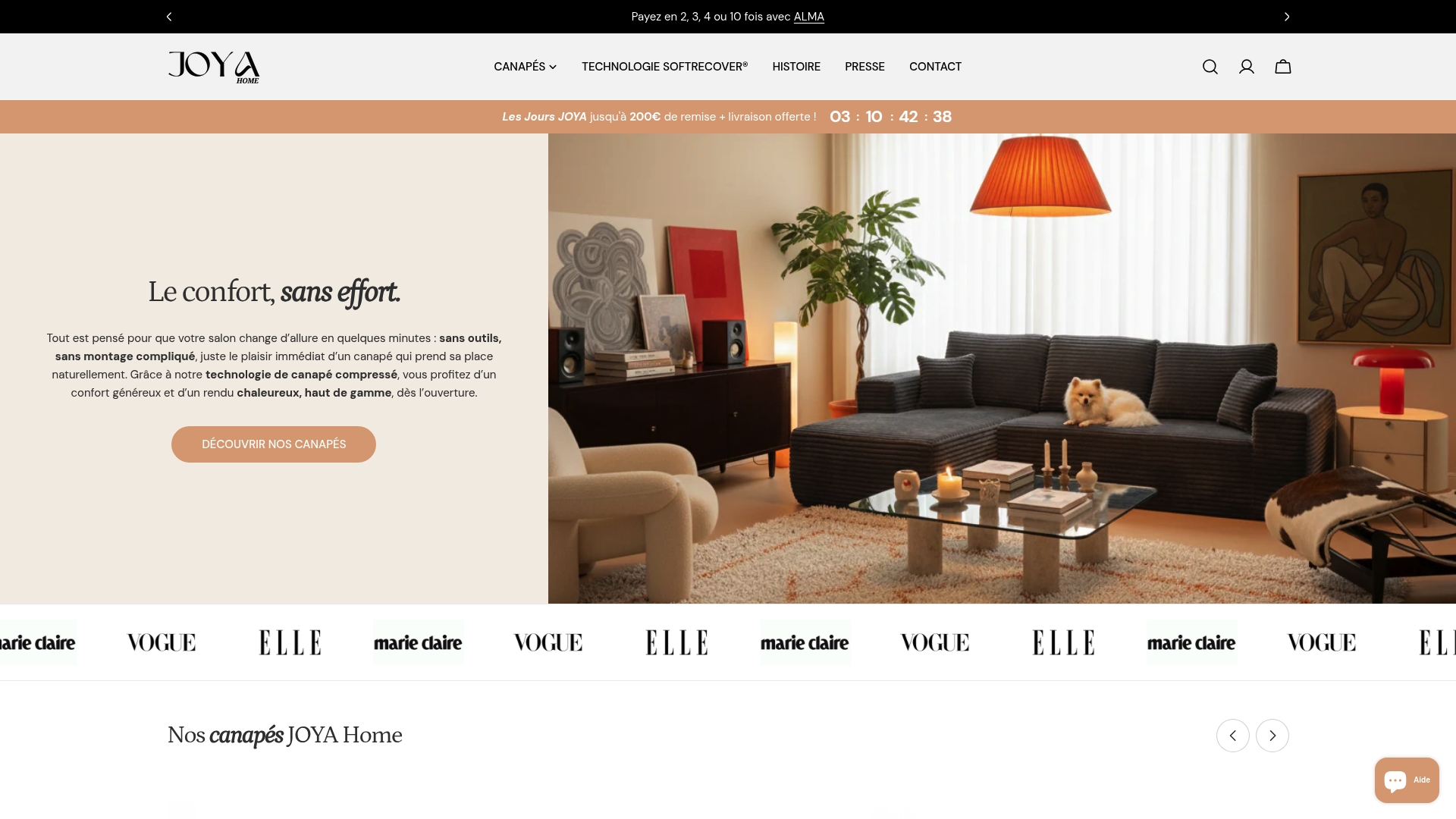
Joya Home's durable quality is reflected in carefully selected materials and complete transparency on product sheets. The advantages of a compressed sofa go beyond easy delivery: compression technology preserves the frame and foam during transport, without compromising solidity. Discover the compressed sofa collection and find the model that combines real durability, vintage aesthetics, and stress-free delivery directly to your home.
Frequently Asked Questions About Sofa Durability
What is Martindale and what is the right threshold for a sofa?
Martindale measures a fabric's resistance to abrasion. Aim for at least 15,000 cycles for normal use and over 30,000 cycles for a truly durable sofa for daily use.
Is solid wood really essential for a long-lasting sofa?
Yes, a frame made of hard solid wood like FSC-certified oak or beech is the only serious guarantee of longevity. MDF and particleboard give way much faster with use.
Which labels are reliable for an ecological and durable sofa?
FSC, OEKO-TEX, and GOTS certifications are verified by independent organizations and guarantee environmental respect as well as the absence of harmful substances in materials.
Is a vintage sofa always more durable than a new one?
Not necessarily. Check the frame, foam density, and authenticity of the patina to avoid flimsy imitations. An authentic versus artificial patina can be identified by manufacturing details.
Is a light sofa always less sturdy?
Yes, in the vast majority of cases. High weight indicates qualitative materials and a dense structure. An unusually light sofa often hides hollow wood or low-density foam.